Autumn Borders

by Fen @tinybloomingplaces September 2024

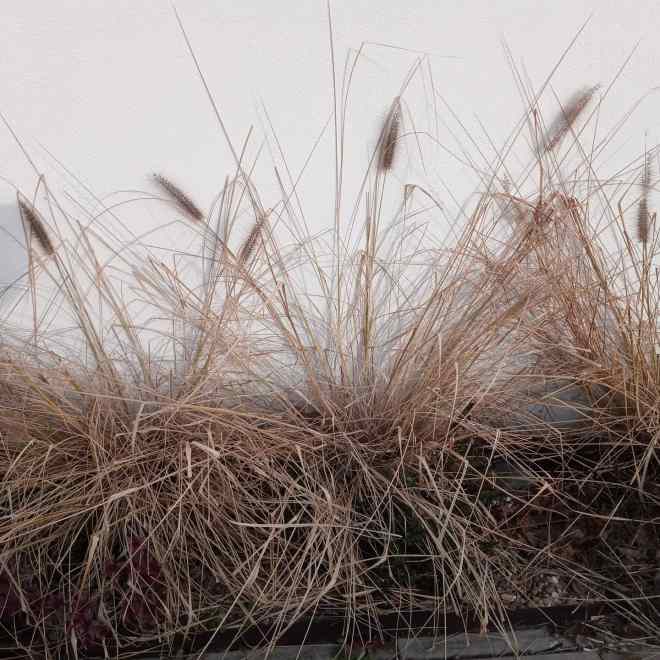
A feathery autumnal touch for the borders; grasses and self seeding perennials

Time to plant

Often the garden starts to tire as September approaches but it is not the time to “give up”. With our milder weather season extending well into September and beyond there are still many moments to be enjoyed from the garden. September is the perfect time not only to move existing plants to a different location, if required, but it is also a great time to add autumn colour to the border, whilst stock is available, extending the season and enjoyment for the months ahead. It is a window of opportunity not to be missed.

Layers of textured foliage and subtle colour make for a beautiful autumn border

Perennial plants that have not fared well can be moved to a different location before they disappear into a winter slumber. This is the best time for them to establish their roots in a new location so they will perform better the following year. Plants offering autumn interest can also be added to extend the garden display late into the year. Autumn is the perfect time to alter, adjust and add to borders, whilst bearing in mind next years performance.

Deep purple hues from foliage with deep pink flowers contrast wonderfully with light green foliage and lime flowers. All set against a feathery orange tinged background

Choosing Plants

Choosing perennials that will come back year upon year will ensure the garden matures and performs annually giving remarkable displays for every season.

Choosing a small selection of plants, considering texture, colour and height will give a desired look and feel to the border. Planting en masse will ensure an eye catching and effective display. Make sure you take on board the orientation of the border before choosing plants

Planting en masse for a naturalistic feel

September is not the end of the gardening season. It is a great time for getting ahead of the game. Planning and planting borders in September and October ensures plants can be acquired that are giving a great display at that time of year and on into late autumn/winter. It also allows consideration for and inclusion (or moving/removal) of existing plants within the border to ensure an aesthetically pleasing planting scheme is achieved. It is by far the best time to plant up a garden to ensure interest and longevity across the seasons.

Transformation with a little imagination

Before & After

An almost empty border, a low fence with a view directly into the neighbours house meant the owners of this south west London garden called for an immediate resolution. With the rest of the garden already planted and very mature, the legacy of the previous owner, and the new owner wishing for low maintenance, as they knew very little about looking after plants, I had to find a resolution for the border with planting that would work with the rest of the already planted garden. I felt the resolution had to be one using mature and semi mature plant specimens that would grow into their space but would also make an instant impact, they would also need to be hardy and evergreen to provide screening and once fully matured, be happy with minimal maintenance.

The planting was done in staggered layers to give depth to the border. This also ensured that all gaps would be fully covered up as the plants matured. Planting in a straight line just doesn’t look aesthetically pleasing

The contrast of leaf shape and shade gives interest to the space.

The larger mature laurels to the back made an instant impact on privacy

And just like a fine vintage wine this border will grow and mature and become even more impressive as the years go by.

A few pretty, easy to maintain pots with all year round interest popped on the patio adding a splash of colour

An another empty corner filled with evergreen, flowering and scented shrubs to give spring and summer joy as well as all year round interest.

Happy days, the garden is summer ready!

Garden Design Ideas for a small space

Fen Ryan,

14 April 2024

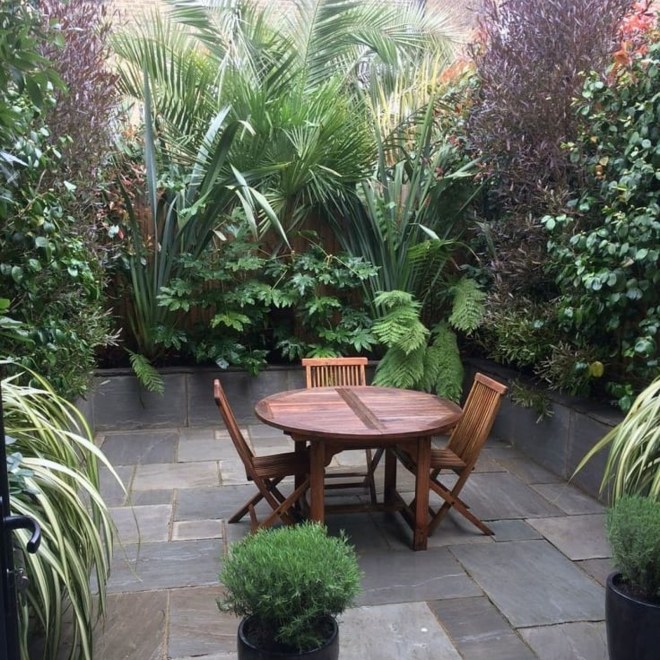
Create a sense of isolation in a tiny garden space

The home & garden should compliment each other. So connecting design elements, from the architecture of the house and the style of its interior, with the garden is key to creating a designed look and feel to your garden. This can be done using colours, patterns, plants as well as form or lines and will ensure a successfully designed garden individual and unique to your home.

Unify with colour

These elements can be introduced through the correct selection of hard and soft landscaping, plants, furniture, pots, fences and ground surfaces. A unique bespoke feel can be enhanced by connecting the colour of different elements of the house such as downpipes, windows and doors to garden to the garden hardware such as furniture, fences and pots. The choice of materials for patios and surface covering in the gardens can also be connected to the house interior and chosen to compliment and contrast.

The overall looked can be enhanced by mixing and matching textures, using materials or tones to create textural interest. Texture is key to making a space feel characterful, rich and unique.

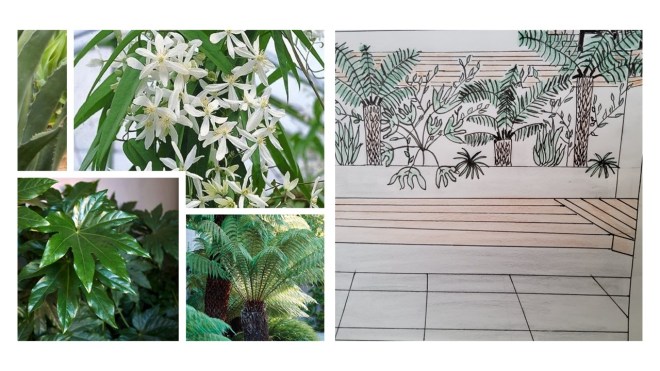
Introduce textural interest with planting

Introducing plants with interesting leaves helps bring lots of texture into the planting. Knowing light levels soil and consideration of looking after plants in the longer term are all important things to consider when making plant choice in order to ensure longevity of a garden that looks good. Surroundings and environment should be taken into consideration to ensure a garden will thrive in the longer term.

Small City Gardens

Having a small garden doesn’t mean you have to think small when it comes to plants

Fen Ryan January 20th 2024

Space is often limited in London gardens but they don’t have to feel small or tight if you plan them well.

The owner of this London garden inherited a mess, it measured just 15sq metres, with mixed boundaries and was covered in a mix of paved concrete slabs and a shabby lawn. The owners, a young couple who loved plants, wanted a green, multi-functional space to entertain and relax in.

INCORPORATING LARGE PLANTS HELPS TRICK YOUR MIND AND EYE INTO BELIEVING A SMALL GARDEN IS LARGER THAN IT IS

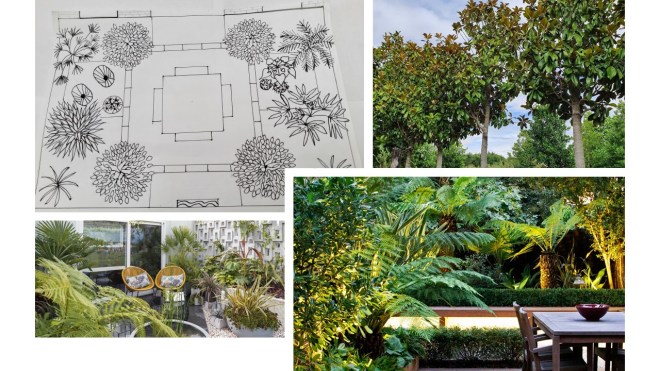
Despite having such a small space to work with I decided to go big with the trees and managed to squeeze in quite a number of large trees.

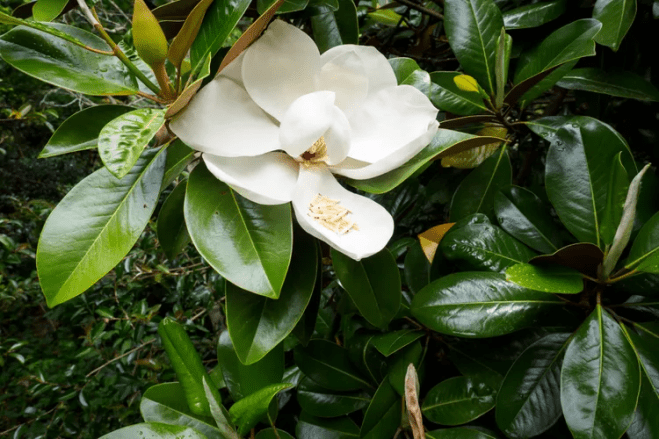
Four evergreen Magnolia grandiflora, chosen for their interesting large, dark green, glossy leaves and beautiful spring flowers, flank the dining area. They provide privacy as well as the ultimate feeling of being immersed in nature whilst dining outside. I also chose a selection of large specimen, evergreen shrubs and trees, with varying leaf shape to add interest and all year round foliage. A selection of large pots were also planted with flowering plants to give seasonal interest and a sheet of gently cascading water was added as a feature to the back wall, adding soothing sound to the urban garden.

Materials were chosen to compliment the fabric of the house and its interior. The natural limestone paving used to develop the interlinking patios complimenting the brickwork of the house and the horizontal panelled fencing acting a a contrast to soften the space and create a retreat into nature.

The simple colour palette of light wood, green and natural limestone blend with the house making it a unified space.

There is space for a table and chairs large enough to entertain at, surrounded by trees giving a feeling of seclusion and privacy rare in an urban space where gardens are so often overlooked.

There is a space to lounge, set amongst the shade of evergreen specimen plants, that also act to give seclusion.

Big plants, bespoke items, different textures and bringing the plants close to the house and seating areas, all contribute to the overall success in creating this urban garden, making it feel unique to its owners, individual in design and a tranquil and relaxing space to enjoy all year round.